
Upper Cervical Chiropractic in Pleasanton, CA
Gentle, Precise, Principled Chiropractic Care
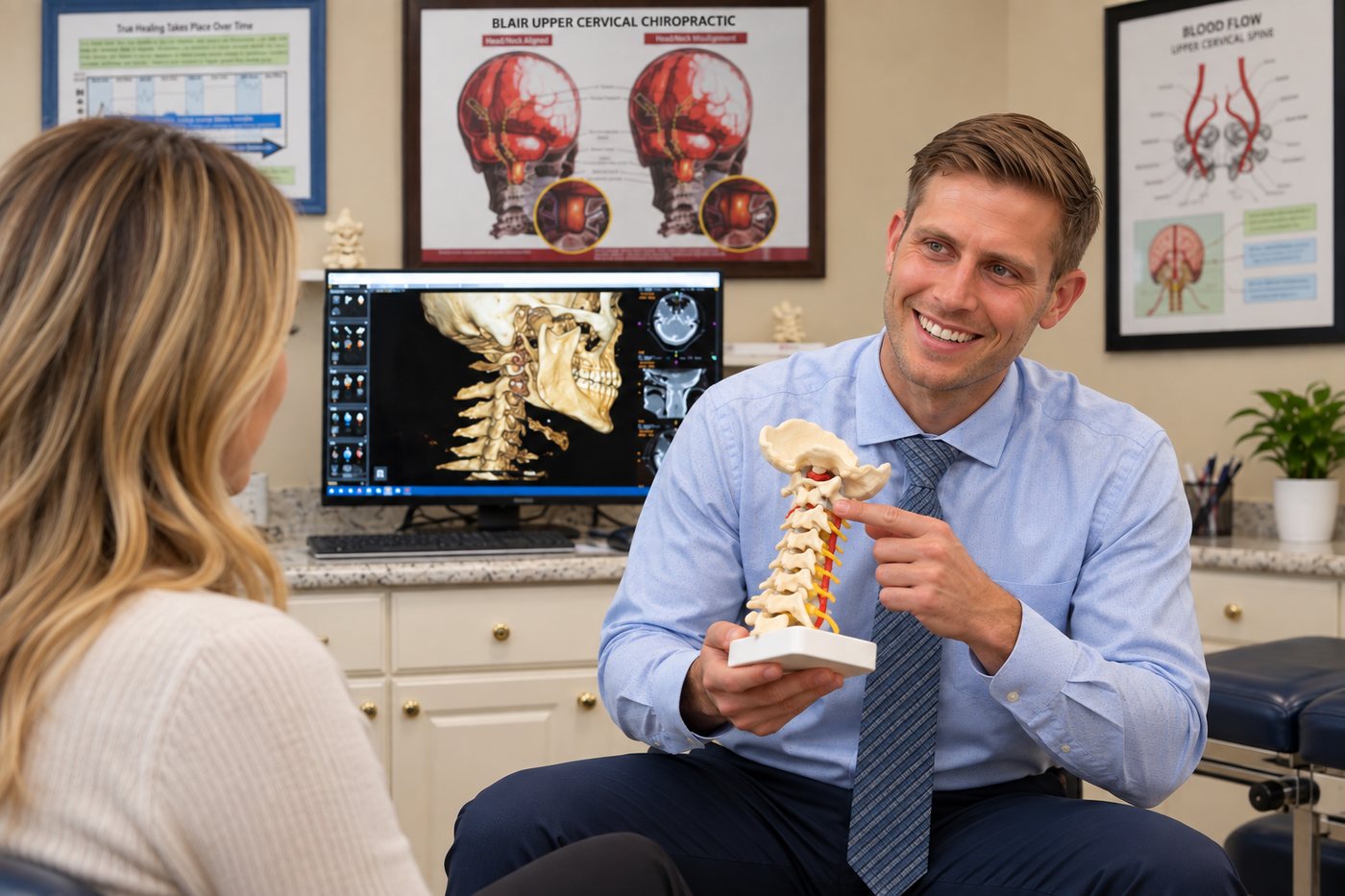
We use advanced 3D imaging to identify and correct vertebral subluxations with as little as 4–8 lbs of pressure, while the neck is in a neutral, relaxed position. No twisting, popping, or cracking.
Questions? Call 925-846-3357

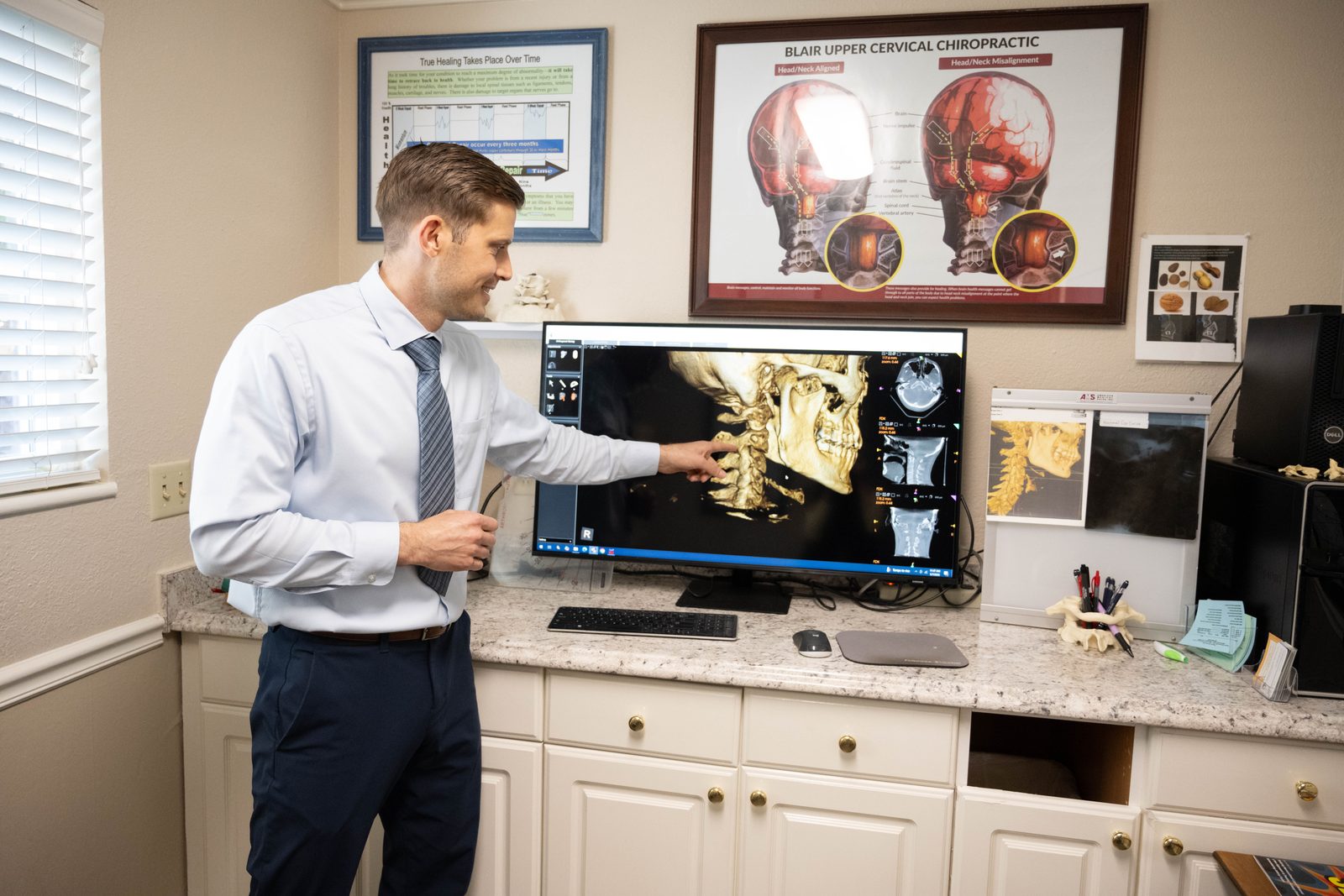
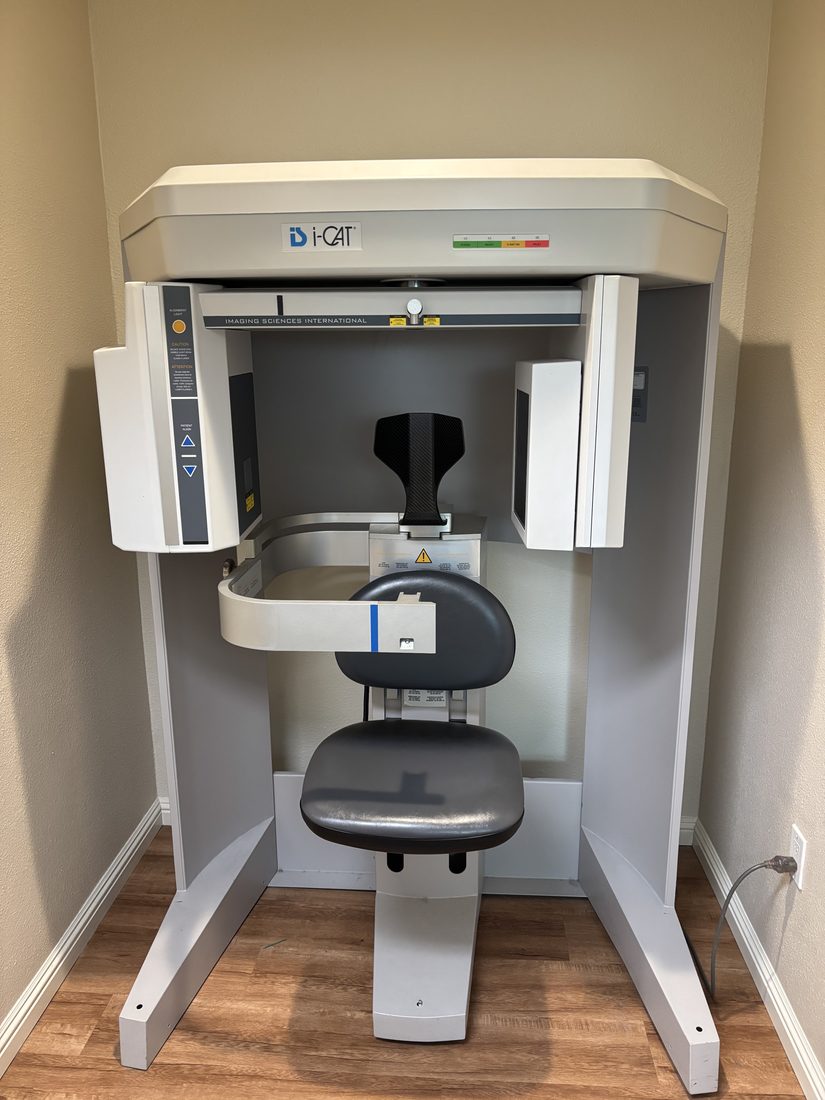
3D CBCT Imaging
Detailed images of your upper neck, so every correction is specific to you.
Neurologically Focused Care
We check the health of your nervous system to decide if an adjustment is needed.
Since 1975
Upper cervical care at this Pleasanton office for 50 years.
About Us
Our approach

Philosophy
The philosophy behind upper cervical chiropractic is that we are born with an innate intelligence. It’s intelligence that formed you from a single zygote to a 30 trillion cell superorganism, constantly being broken down and repaired, with all our organ systems functioning in coherence without our conscious awareness. If we break a bone or cut a finger the body knows how to heal itself as long as it can communicate. We don’t treat any disease or symptom, we simply remove the neural interference so the body can do what it was designed to do. For this reason it’s not about the number of adjustments you get, rather how long you hold the adjustments. As Dr. Tom Forest would always say “holding is healing”.
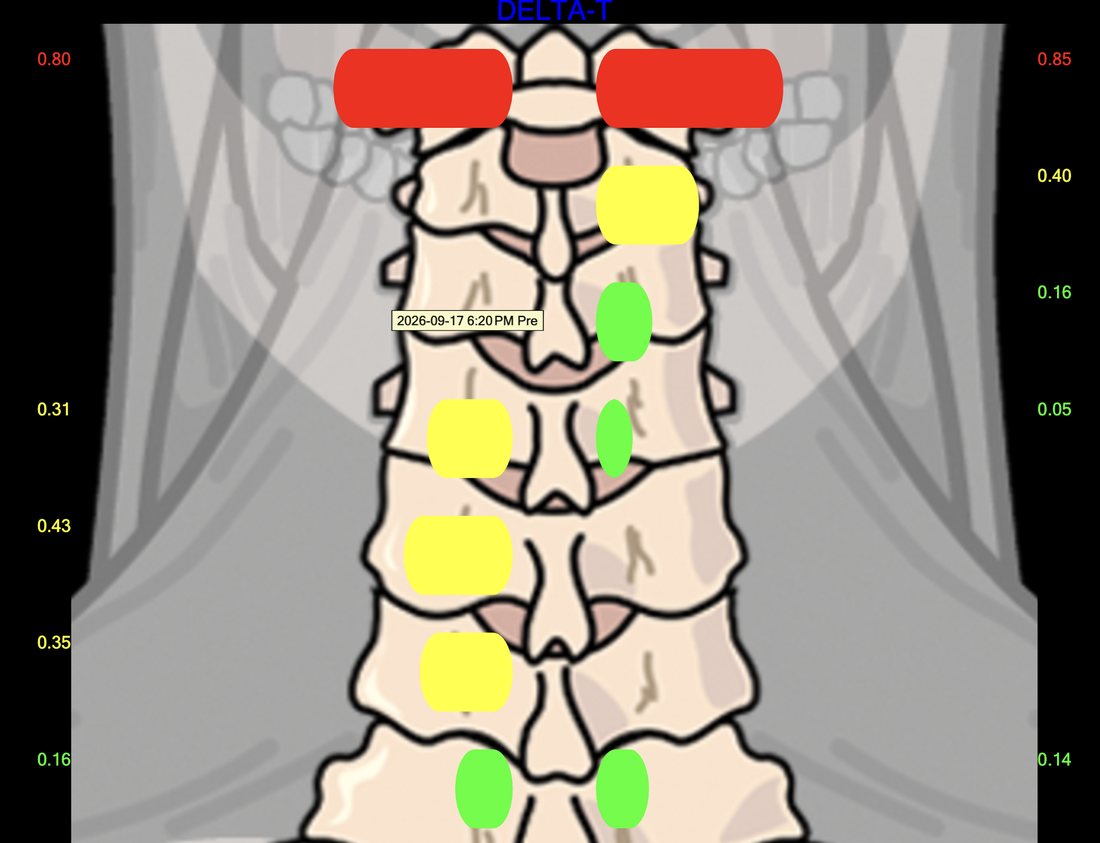
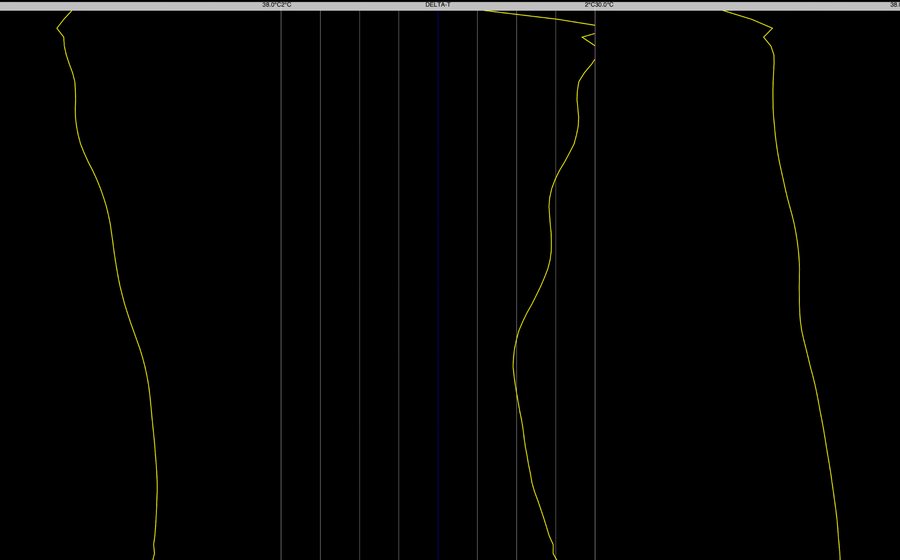
Neurologically focused care
Symptoms have a bad rap, yet they are merely a means for our body to communicate with us that something is wrong. A fever, for example, is a symptom, but is our body's way of fighting off a foreign pathogen. For this reason we do not adjust based off symptoms, instead we assess the health of the nervous system to see if an adjustment is needed or not
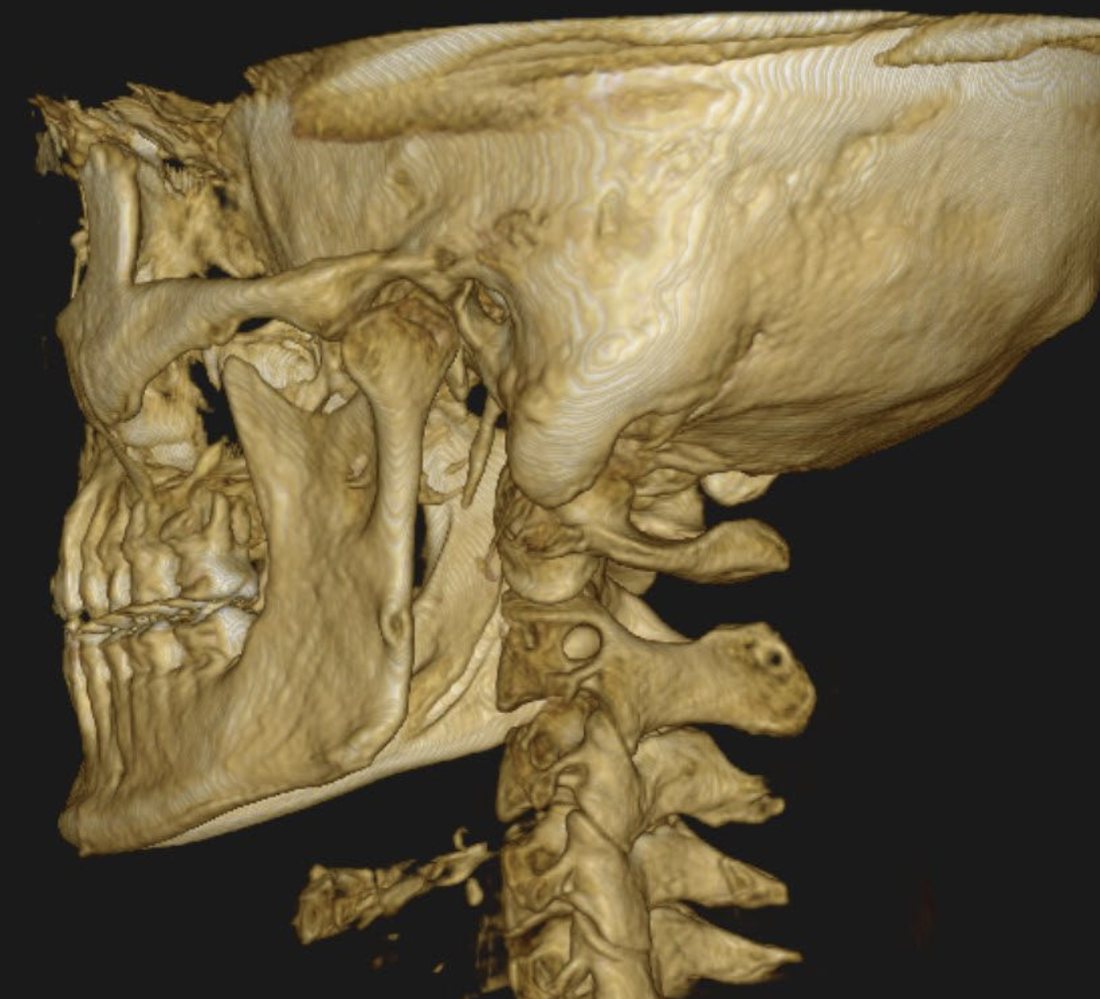
Precision starts with a thorough analysis of your neck
Due to the neurological complexity of the upper cervical junction we take extreme caution with adjusting. Every spine is a little different. We use advanced 3D imaging (CBCT) to see the joints of your upper neck in detail and measure their exact angles.
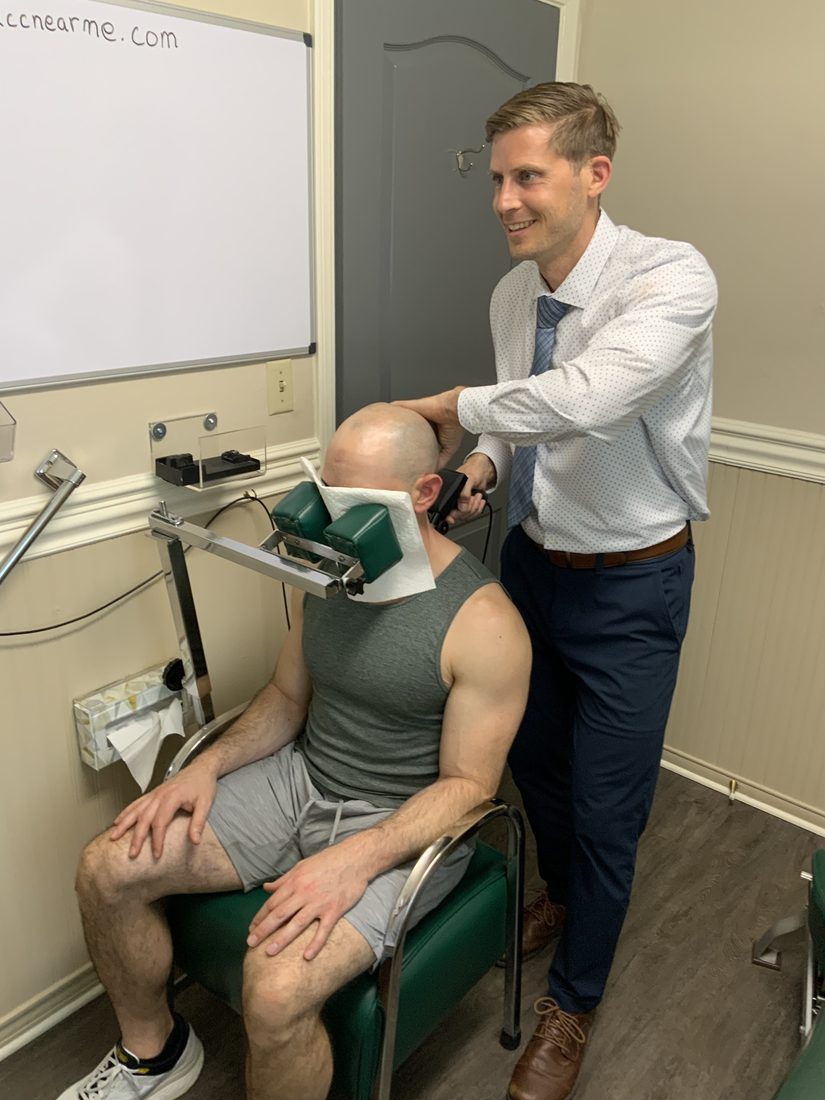
Using those angles, we deliver a high velocity, low force adjustment specific to your biomechanics, correcting a vertebral subluxation with as little as 4–8 lbs of pressure, without any twisting, popping, or cracking of the neck.

Our History
50 years of upper cervical care in Pleasanton
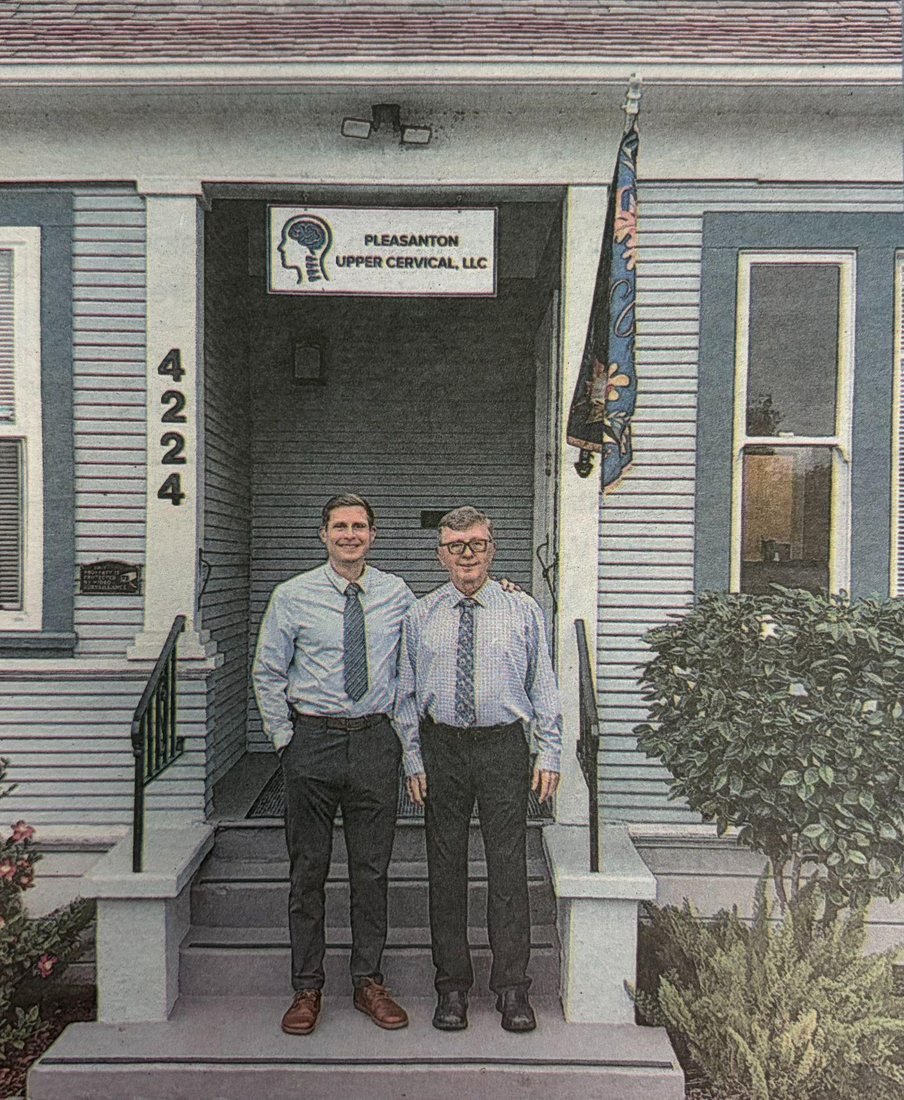
Dr. Tom Forest started Forest Chiropractic Office in 1975 and served Pleasanton and the surrounding communities with the Blair technique for 50 years.
In 2025, Dr. Sean Marsh, who trained closely with Dr. Forest, took over the practice. It is now named Pleasanton Upper Cervical, LLC, at the same address, using the same technique.
Blair Upper Cervical
Why the upper neck matters
Why upper cervical
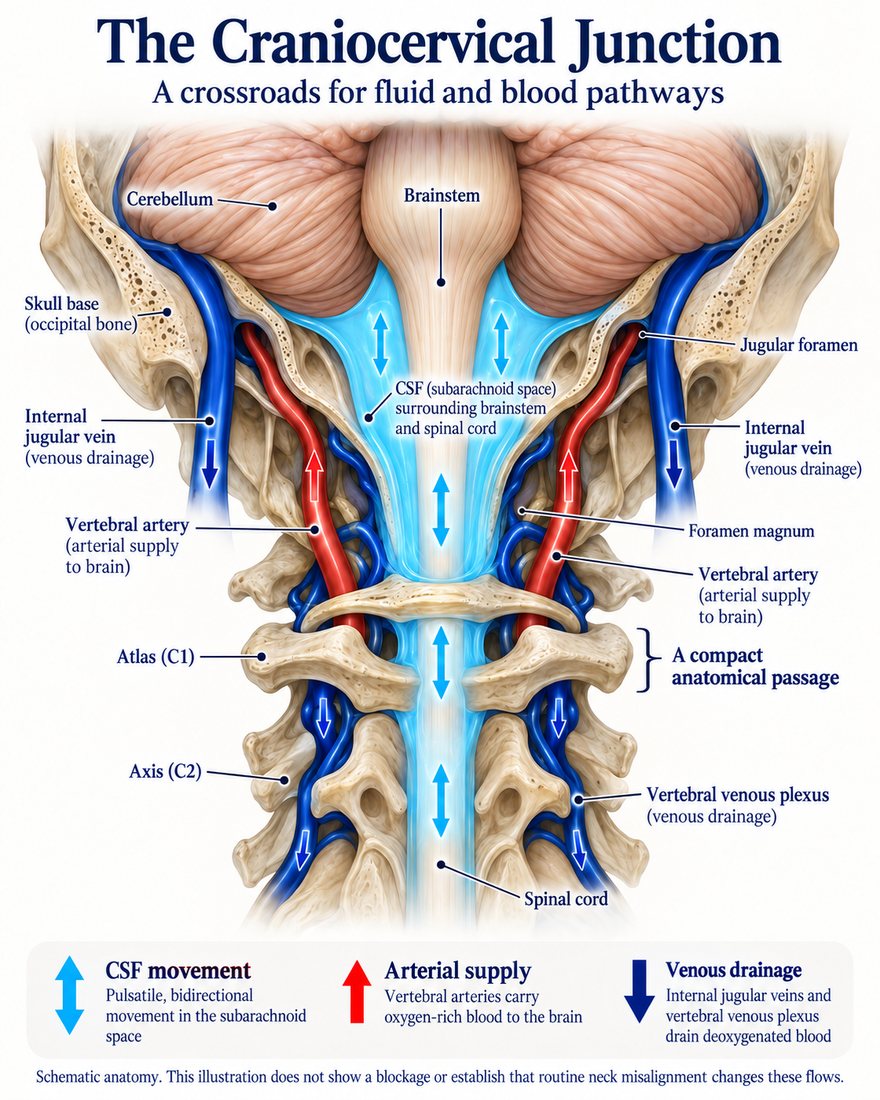
The upper cervical spine, specifically C1 (atlas) and C2 (axis), houses the junction between the brain and spinal cord. Being the most mobile area in the entire spine, it's the most susceptible to injury.
Vertebral subluxations, or misalignments, in this region may affect:
- Blood flow to and from the brain
- Cerebrospinal fluid flow
- Neural communication
Posture and balance
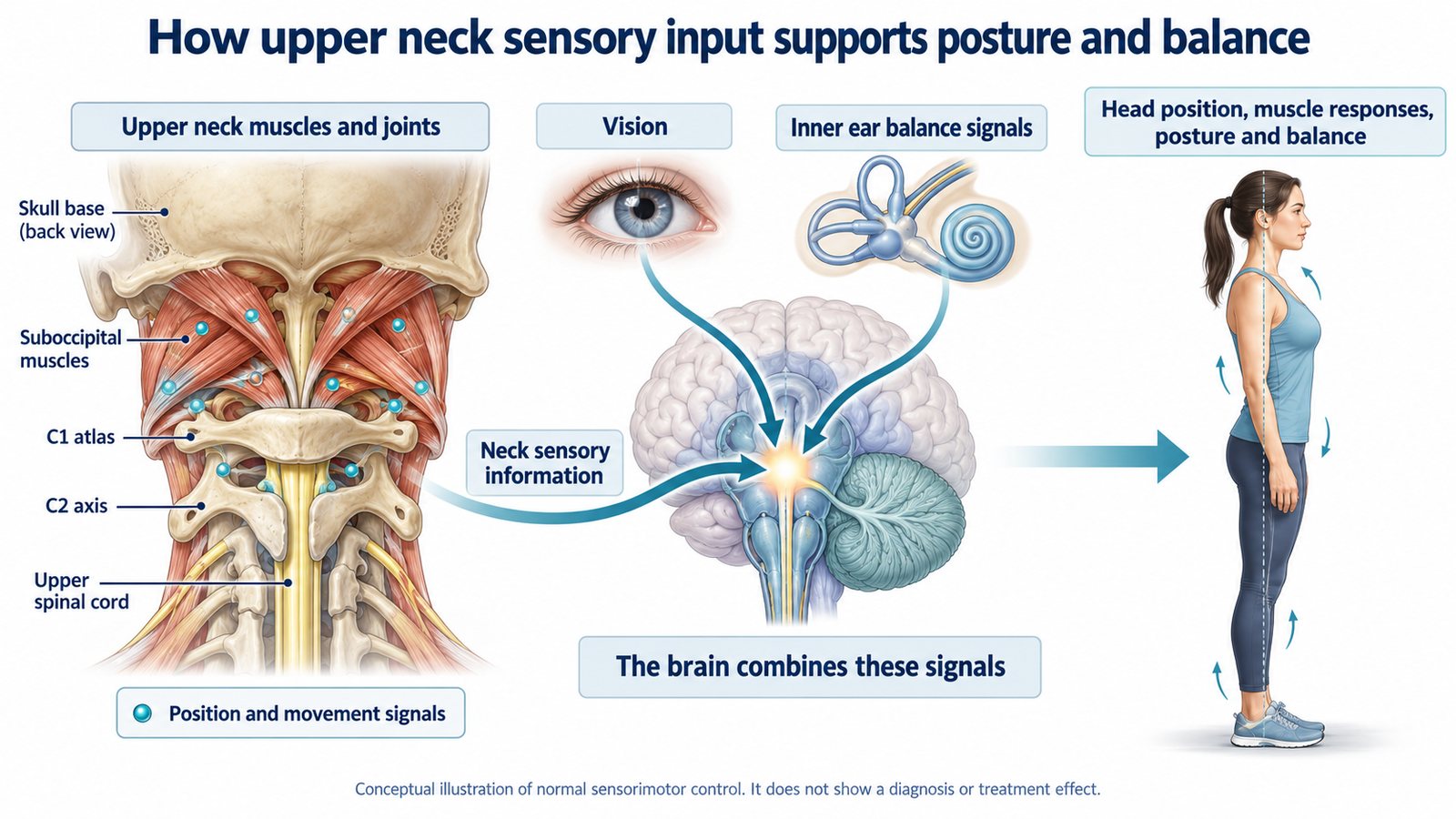
The upper cervical spine contains a highly specialized network of sensory receptors that helps your brain understand the position of your head and neck in space. When normal joint motion or muscle function in this region is disrupted, the sensory information reaching the brain may also be altered.
Because the brain combines this information with your vision and inner ear to control balance and posture, problems in the upper neck may lead to compensating changes in muscle tone, head position, and posture throughout the body.
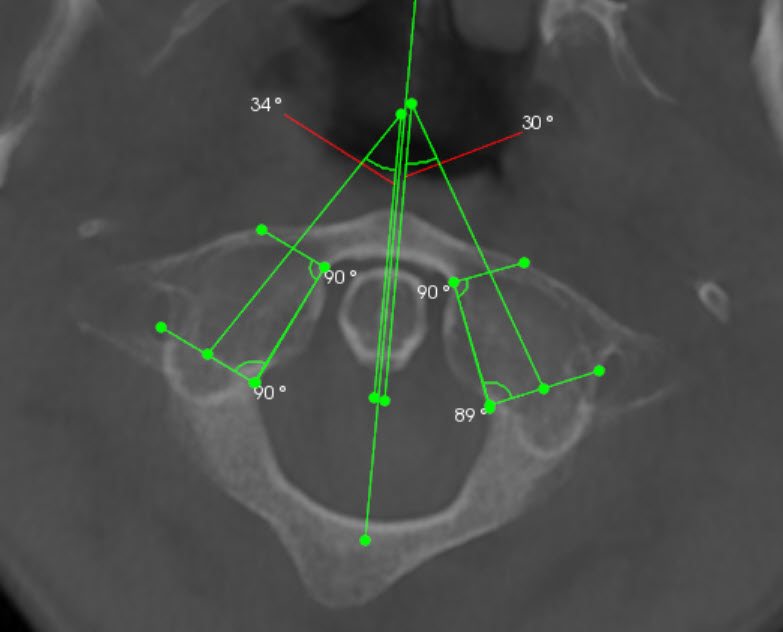
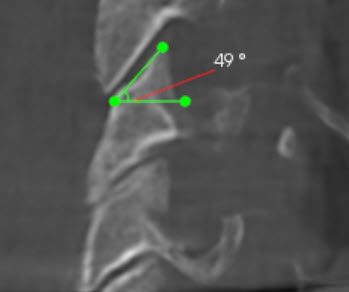
An atlas (C1) vertebra measured on CBCT. The left and right joints have different angles.
Why Blair
“Nothing in nature is perfectly symmetrical”
We practice a specialized upper cervical technique called Blair. What makes Blair unique from any other form of chiropractic is the concept of asymmetry.
Most chiropractic x-ray analysis assumes the spine is symmetrical. Dr. Blair studied over 3,000 C1 vertebrae and found that roughly 80% had asymmetries. He then developed a series of x-rays to assess the joints of the neck for misalignments.
This allows us to measure the angle of the misaligned joint and deliver a gentle correction without twisting, popping, or cracking the neck.
Learn more at blairchiropractic.com.
How We Can Help
Common reasons patients visit
Patients commonly come to us with:
- Headaches & migraines
- Vertigo & dizziness
- Brain fog
- Neck pain
- Chronic pain
- Fatigue
- Dysautonomia
- Seizures
- Asthma
- Balance problems
- Tinnitus
- Posture problems
Not sure if we can help? Give us a call at 925-846-3357. We're happy to talk it through.
New Patients
What to expect
Every patient gets a thorough evaluation before their first adjustment, so we know exactly what's going on and how to help.
Discovery Day
- Consultation
- Neurological exam
- Orthopedic exam
- Imaging
Report & First Adjustment
- Review your images together
- Your game plan
- Your first adjustment
Check-ups
- Temperature scan
- Postural analysis
- Palpation
- 15-minute rest if adjusted
Save time on your first visit: download our intake forms and bring them with you.
Our Office
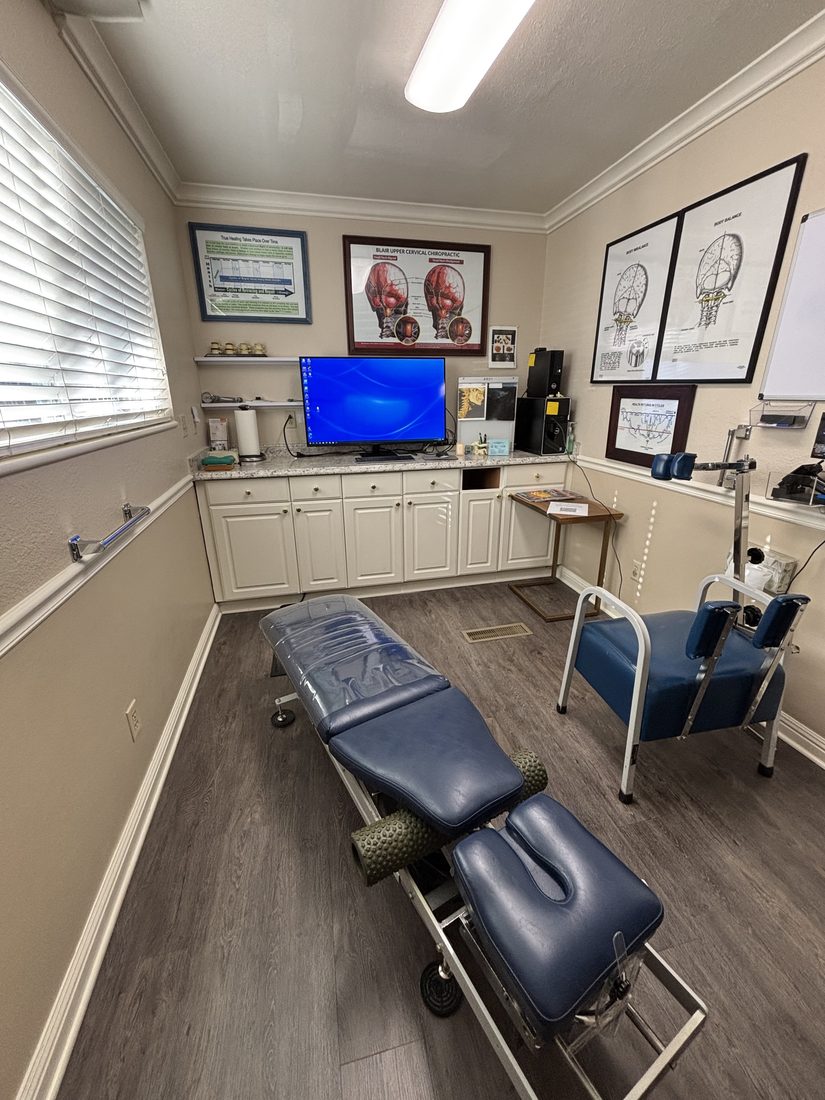
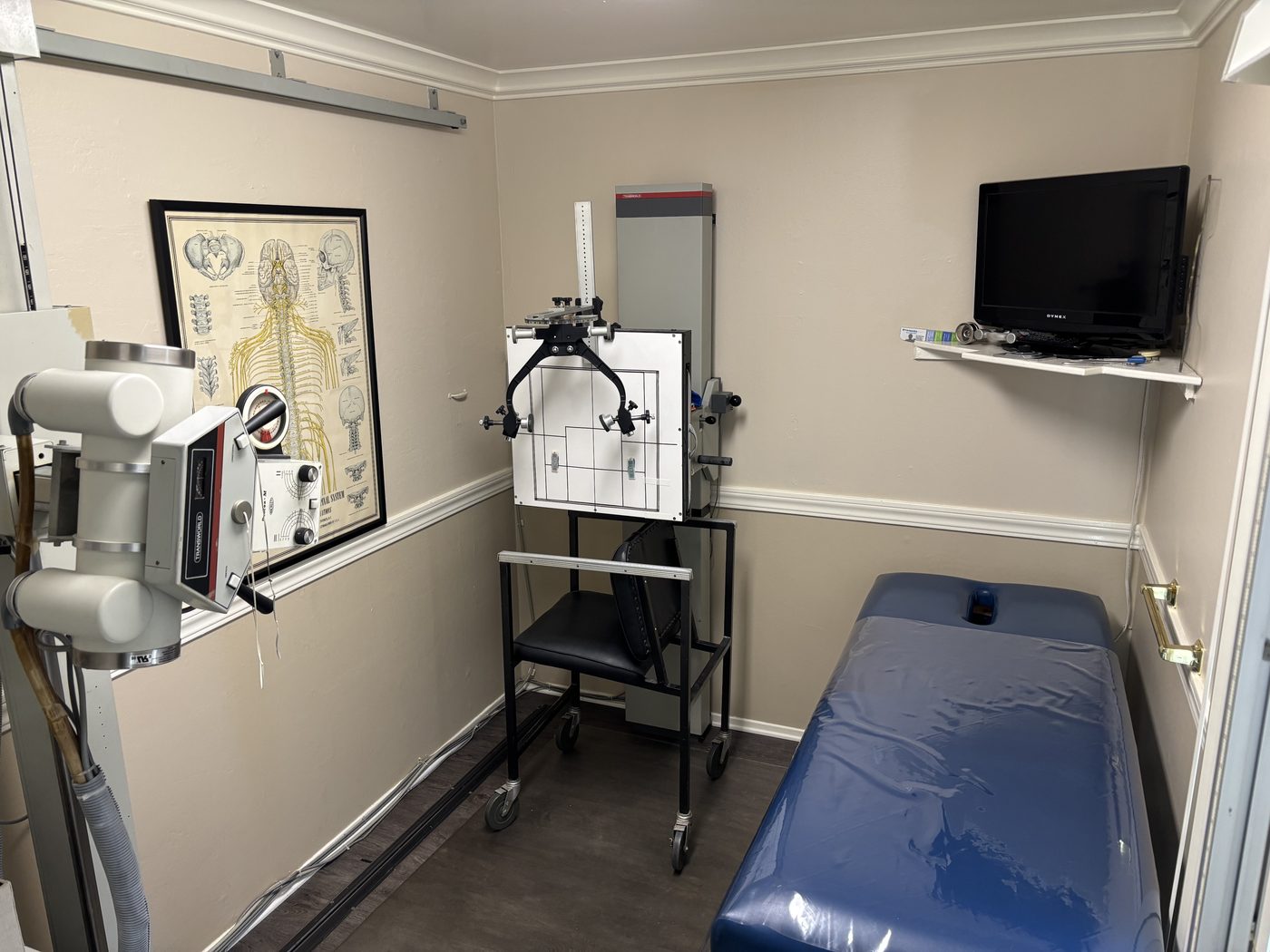
Take a look inside


Our Team
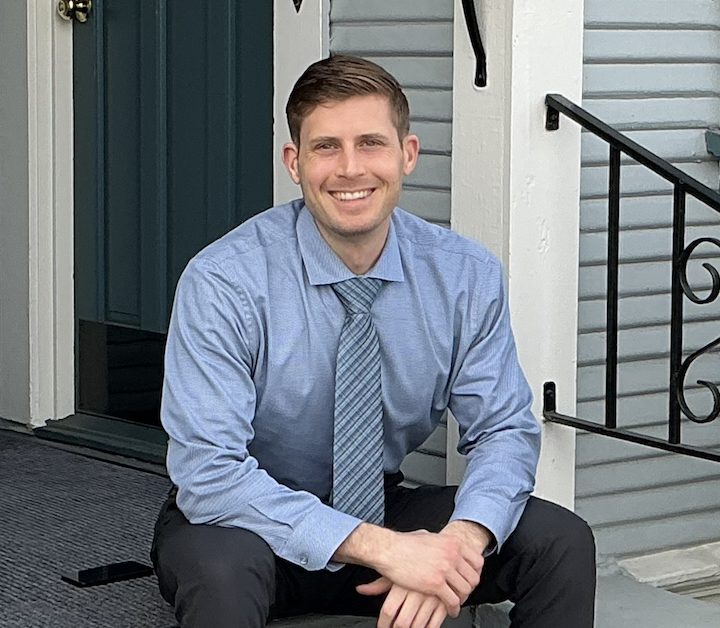
Dr. Sean Marsh, D.C.
Dr. Marsh was born and raised in British Columbia, Canada. He earned his B.S. in Biology in 2016, and he spent about eight years working in concrete and road maintenance, including driving a snowplow in the winters.
In 2018, he was rear-ended by a work truck. Over the next year he developed brain fog, headaches, ringing in his ears, trouble sleeping, and a constant pressure in his head.
In 2020 he moved to California to attend Life Chiropractic College West. He received his first upper cervical adjustment at this very office, then known as Forest Chiropractic Office, and his symptoms gradually improved. Upper cervical care became his passion.
In school, Dr. Marsh took the Blair Upper Cervical elective taught by Dr. Tom Forest and began practicing the technique in the school clinic. One of his first patients there had struggled with neck pain and headaches for seven years after a car accident. After a series of gentle adjustments and some time, those symptoms resolved.
He spent his last year and a half of school, and six months after graduation, training alongside Dr. Forest at Forest Chiropractic Office.
He traveled to Belgium to become certified in the Blair Technique and graduated Summa Cum Laude in 2023. Today he carries on the care and philosophy Dr. Forest established over 50 years in Pleasanton, with careful evaluations and individualized care for every patient. Looking ahead, he hopes to earn his Blair teaching certification to help other chiropractors bring this gentle approach to their own communities.
Upper cervical care uses the least amount of force for the greatest results.
Patient Stories
What our patients say
★★★★★ 5.0 on Google
“Upper cervical chiropractic care has truly been life changing! I was living with chronic pain that affected my daily life, but being cared for here has brought full healing, in ways I never thought was possible. Their approach stands out as it is very precise, gentle, and specific to your unique needs. It's clear that Dr. Marsh genuinely cares about helping his patients experience healing.”
“I have been seeing Dr. Marsh for several months now and can't be happier with his care. He is a thoughtful, precise and highly skilled upper cervical chiropractor.”
“Came in very hopeful that these visits would help me with my brain fog, dizzy spells, and my posture.”
FAQ
Frequently asked questions
Will the adjustment crack or twist my neck?
No. Blair adjustments use as little as 4–8 lbs of pressure, with no twisting, popping, or cracking of the neck.
How is upper cervical care different from general chiropractic?
Upper cervical care focuses on the top two bones of the neck, the atlas and axis. With the Blair technique, we use 3D imaging to measure the angles of your own joints, since most people's vertebrae are not perfectly symmetrical. Your correction is based on those measurements.
Why do you take 3D images?
CBCT imaging lets us see the joints of your upper neck in detail and measure their exact angles. That's what allows us to make a gentle, specific correction instead of a one-size-fits-all adjustment.
What happens at my first visit?
Your first visit is Discovery Day: a consultation, neurological and orthopedic exams, and imaging. On your second visit, we review your images together, go over your game plan, and give your first adjustment.
What happens at check-ups?
At check-ups we do a temperature scan, postural analysis, and palpation. If you're adjusted that day, you'll rest for 15 minutes afterward.
How many adjustments will I need?
It's not about the number of adjustments you get, but how long you hold them. At each check-up we assess your nervous system to see whether an adjustment is needed, and only adjust when it is.
Do you accept insurance?
No, we do not accept insurance. Please call us at 925-846-3357 with any questions.
Is this still Dr. Forest's office?
Yes, it's the same office at 4224 Stanley Blvd. Dr. Forest started the practice in 1975, and Dr. Marsh, who trained with him, took it over in 2025. It's now called Pleasanton Upper Cervical, LLC.
Visit Us
Request an appointment
Call us or send a request below, and our front desk will get back to you. We serve Pleasanton, Dublin, San Ramon, Livermore, Walnut Creek, and the rest of the Tri-Valley.
Contact
FrontDesk@PleasantonUpperCervical.com
4224 Stanley Blvd
Pleasanton, CA 94566
Office Hours
| Monday | 9:00am – 6:00pm |
| Tuesday | 9:00am – 6:00pm |
| Wednesday | Closed |
| Thursday | 9:00am – 6:00pm |
| Friday | 9:00am – 6:00pm |
| Saturday | 8:00am – 12:00pm |
| Sunday | Closed |
New Patients
Intake forms
Print and fill out our patient intake form before your first visit, and bring it with you to your appointment.
Download Patient Intake Form (PDF)2 pages. Bring the completed form to your first visit.